Mindkit is a neurodivergent-led psychology practice offering assessment, therapy, coaching and practical support for children and adults, couples and families.
We offer Autism and ADHD, neuropsychological, learning, functional and support-needs assessments, and undertake workplace and medico-legal work.
We assess the whole person, considering diagnostic criteria alongside the factors that shape each person’s day-to-day life.
Therapy can include trauma, emotions relationships, identity and mental health, as well as executive functioning, sensory needs, routines and the practical problems that keep getting in the way.
Autism and ADHD coaching focuses more directly on strategies and systems and getting things done.
Sometimes knowing what would help is the easy part. Actually doing it is harder.
Support work and therapy assistance can help with things like setting up routines, making phone calls, completing forms, getting to appointments and putting strategies from therapy into practice.
You might know what you want to understand better, but not know whether that means assessment, therapy, coaching or something else.
That is what the free 15-minute consult is for. Tell us what you are trying to work out, ask questions about the options, or start with “I have no idea what I need.”
We can explain the differences and help you work out what makes sense as a next step.
Autism and ADHD assessment at Mindkit includes the diagnostic criteria, but we also assess features that can be clinically important and are easy to miss in a standard diagnostic interview.
We look at cognitive, emotional and sensory features of neurodivergence, including monotropic attention, demand avoidance, alexithymia, how emotions are experienced in the body, aphantasia, masking and sensory differences.
We look at attention, memory and executive functioning, screen for learning differences such as dyslexia and dyscalculia, and screen for physical health conditions that commonly co-occur with neurodivergence. We do this as a matter of course, because it is important to our formulation.
If someone does not meet criteria for Autism or ADHD, the assessment does not stop at “no.” We explain what else may be contributing to the person’s experiences and difficulties, and how the different parts fit together.
The report is intended to explain the person’s profile, not simply record whether diagnostic criteria were met.

Autism and ADHD assessment at Mindkit includes the diagnostic criteria, but we also assess features that can be clinically important and are easy to miss in a standard diagnostic interview.
The report is intended to explain the person’s profile, not simply record whether diagnostic criteria were met.

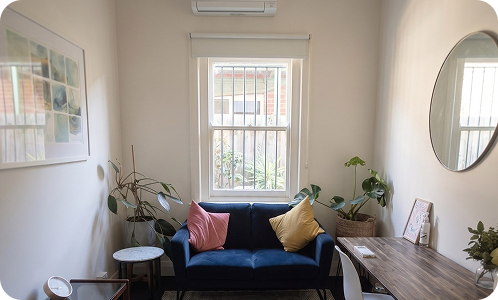
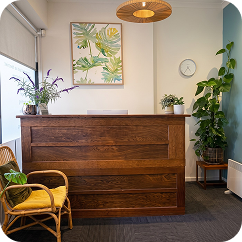
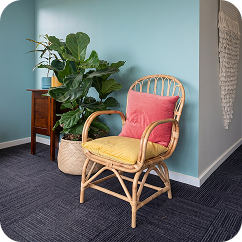
Before an in-person appointment, you can see photos of the building, entrance, waiting area and consulting rooms. Our clinician profiles include photos and short videos, so you can see who you are meeting and hear how they speak before the day.
During an appointment, you can use notes, ask us to repeat or reword a question, take breaks, move around or use a fidget. Eye contact is optional. You can also send information or questions beforehand if writing things down is easier than explaining them on the spot.
For telehealth appointments, we will explain how to join and what you need beforehand. Camera-off is available for most appointment types.
Mindkit is neurodivergent-led, and our clinical team is neurodivergent too.
You can also see a photo and short video of each clinician, so the first time you see their face or hear their voice does not have to be at the beginning of your appointment.
Mindkit’s in-person rooms are in Brunswick East.
If you are coming in, you can check the building entrance, waiting area, consulting rooms and practical access information before your appointment.
Many of our services are also available by telehealth across Australia. Each service
page tells you whether that particular service can be done remotely.